Imagine your furry four-legged friend, unable to walk due to a disability or injury, but equipped with a dog wheelchair. It’s a remarkable device that allows dogs to regain their mobility and explore the world around them. However, one burning question arises – can dogs still use the bathroom while in a dog wheelchair? In this article, we will quell your concerns and explore the practicality of bathroom breaks for dogs utilizing this innovative solution, ensuring that your precious pup can enjoy their newfound freedom without any hindrance.
Understanding Dog Wheelchairs
What is a dog wheelchair?
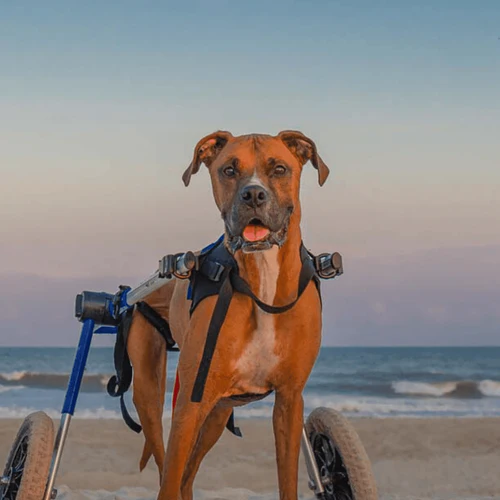
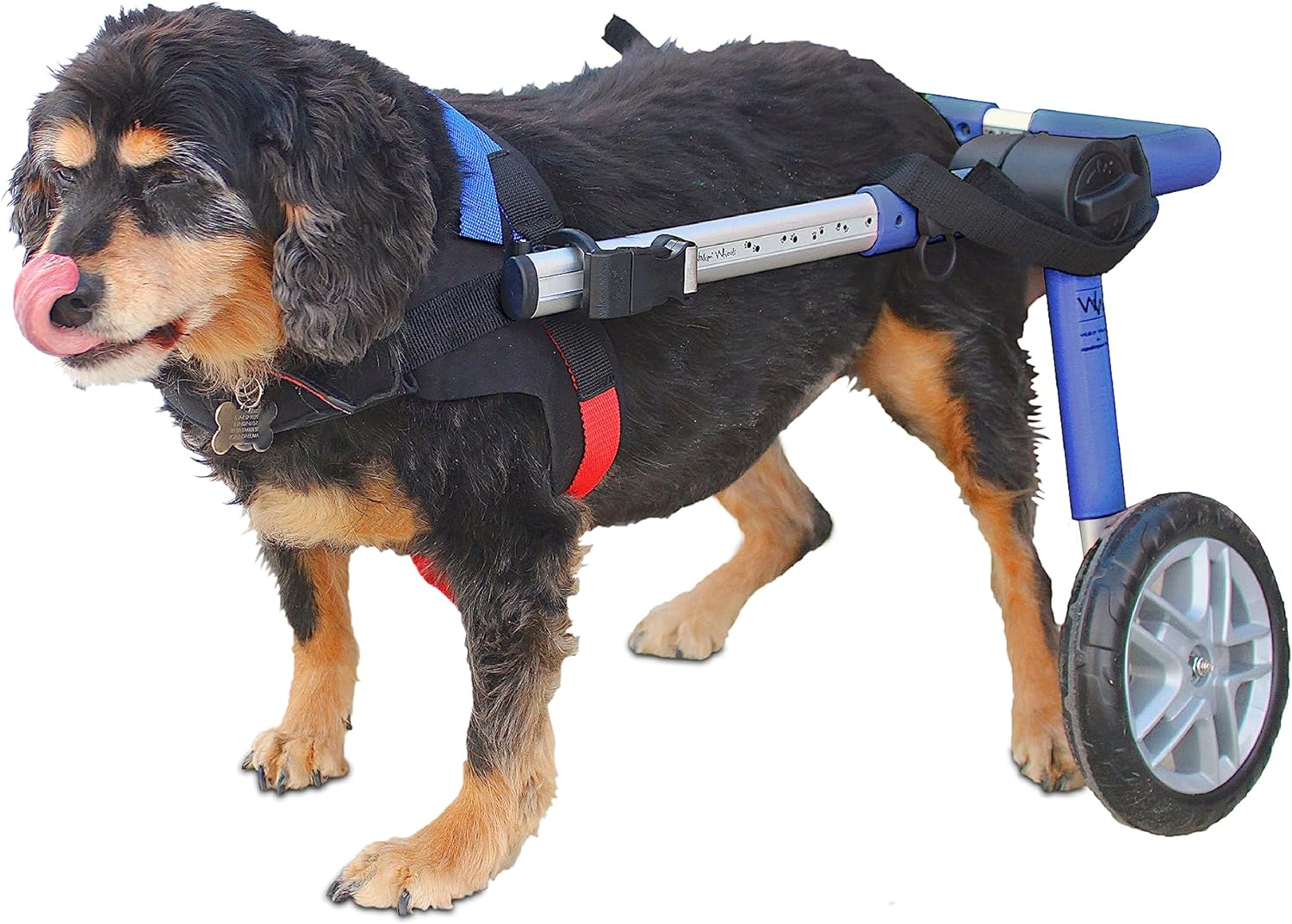
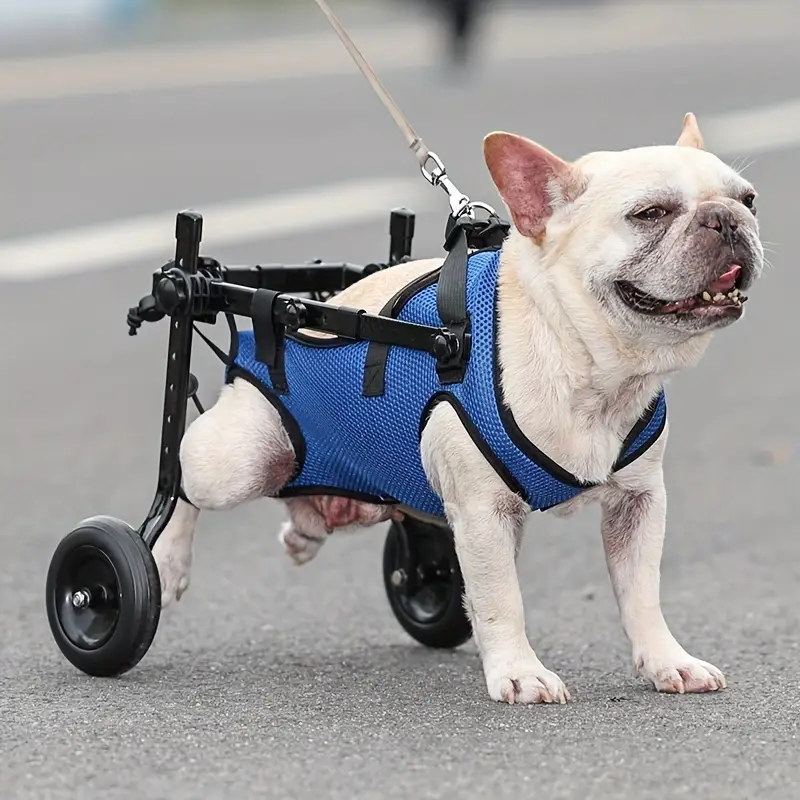
A dog wheelchair is a specially designed device that helps dogs with mobility issues to regain their independence. It consists of a frame, wheels, and a harness system that supports the dog’s hind legs while allowing them to move around freely. Dog wheelchairs are commonly used for dogs that have spinal injuries, hip dysplasia, arthritis, or any other condition that affects their ability to walk or support themselves.
Benefits of using a dog wheelchair
Using a dog wheelchair can be incredibly beneficial for both the dog and their owner. It allows the dog to maintain their mobility and engage in physical activities, improving their overall quality of life. Additionally, a dog wheelchair can prevent further damage to the dog’s spine or joints by providing the necessary support and stability. It also relieves the owner from constantly having to carry the dog around, which can lead to strain and discomfort.
Types of dog wheelchairs
There are various types of dog wheelchairs available on the market, each designed to cater to specific needs and sizes of dogs. Some common types include rear support wheelchairs, full support wheelchairs, and front wheel attachments. Rear support wheelchairs are suitable for dogs with paralysis or weakness in their hind legs, while full support wheelchairs are ideal for dogs with limited or no mobility in both the front and hind legs. Front wheel attachments are designed for dogs with weak front legs. It is essential to choose the right type of wheelchair that suits your dog’s needs and size to ensure maximum comfort and mobility.
The Basic Functionality of a Dog Wheelchair
How does a dog wheelchair work?
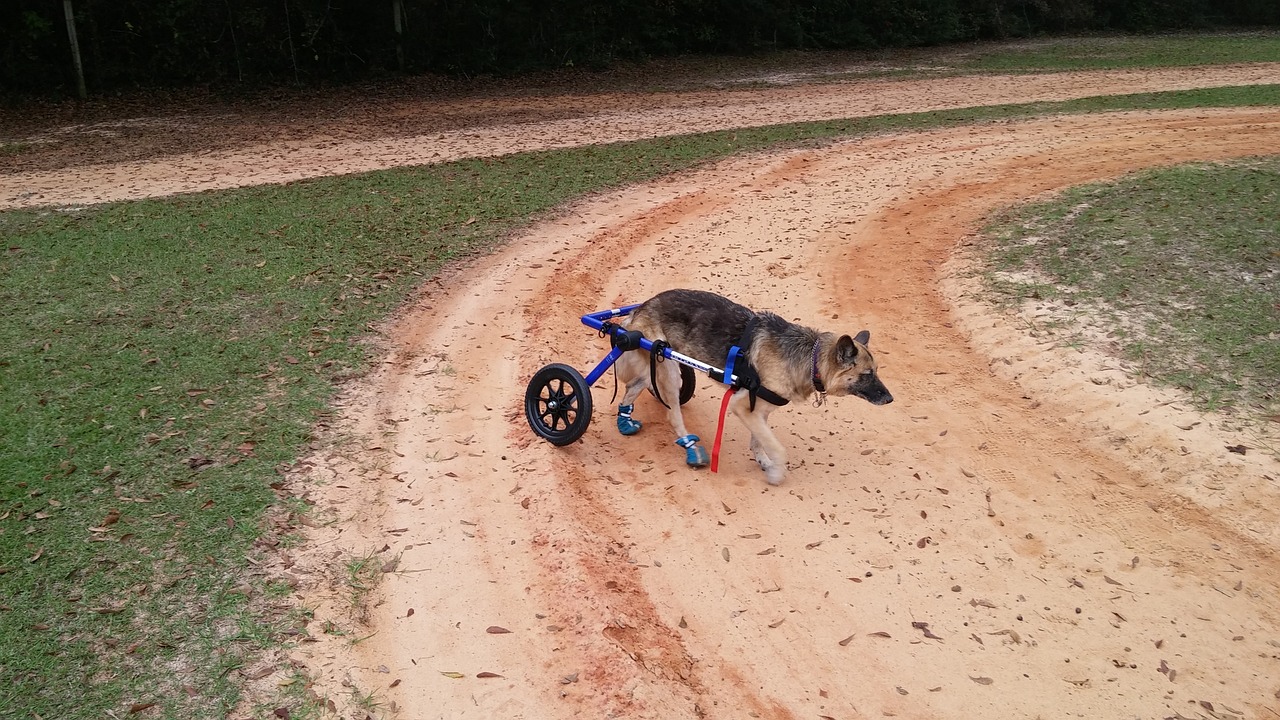
A dog wheelchair works by providing support and stability to the dog’s hind legs while enabling them to move around freely. The harness system holds the dog securely in place, distributing the weight evenly across their body. The wheelchair’s wheels allow the dog to propel themselves forward by using their front legs. With the help of a dog wheelchair, dogs can regain their ability to walk, run, and engage in various physical activities.
Features of a dog wheelchair
Dog wheelchairs come with specific features to ensure the best possible functionality and comfort for the dog. These features may include adjustable straps, padded harnesses, height adjustments, and variable wheel sizes. Additionally, some dog wheelchairs have sturdy frames made of lightweight materials, ensuring durability without compromising maneuverability. The features of a dog wheelchair may vary depending on the brand and model, so it is essential to choose one that suits your dog’s specific needs.
Adjusting the wheelchair for the dog’s needs
It is crucial to properly adjust the dog wheelchair to ensure the dog’s comfort and safety. The height, width, and length of the wheelchair should be adjusted to accommodate the dog’s size and measurements. The straps and harness system should be securely fastened but not too tight or restrictive. Regularly checking and adjusting the wheelchair’s fit is necessary, especially as the dog’s condition may change over time. The goal is to provide the dog with optimal support and mobility while keeping them comfortable and happy.
Challenges Faced by Dogs in Wheelchairs
How does a dog in a wheelchair typically handle bathroom needs?
Dogs in wheelchairs face certain challenges when it comes to handling their bathroom needs. Depending on the wheelchair design, a dog may have limited or restricted access to their hind end, making it challenging for them to relieve themselves in a conventional manner. However, with proper training and assistance, dogs in wheelchairs can overcome these challenges and maintain their bathroom routine.
Factors affecting a dog’s ability to use the bathroom in a wheelchair
Several factors can affect a dog’s ability to use the bathroom while in a wheelchair. These include the dog’s physical condition, the design of the wheelchair, and the level of support provided by the harness system. Dogs with limited mobility or paralysis may require additional assistance or modifications to their wheelchair to ensure they can comfortably eliminate waste. It is essential to consider these factors and make appropriate adjustments to ensure the dog’s well-being.
Solutions for Dogs Using the Bathroom in a Wheelchair
Training and Rehabilitation
Training and rehabilitation play a crucial role in helping dogs in wheelchairs manage their bathroom needs. By working with a professional trainer or therapist, dogs can learn techniques and exercises that aid in their ability to relieve themselves while in their wheelchair. This training may involve teaching the dog to shift their weight, assume specific positions, or signal when they need to go. Consistent practice, patience, and positive reinforcement are key to successful training and rehabilitation.
Assistive Devices for Bathroom Needs
To assist dogs in managing their bathroom needs, there are various assistive devices available. One common option is using dog diapers specifically designed for dogs in wheelchairs. These diapers are designed to fit comfortably and securely around the dog’s hind end to capture urine or feces. They are typically washable and reusable, making them a cost-effective and environmentally friendly solution. Diapers can provide an extra layer of protection, preventing accidents and messes while offering convenience for both the dog and their owner.
Adapting the Wheelchair for Bathroom Use
Modifying the dog’s wheelchair can help facilitate their bathroom needs. This can involve adding a detachable platform to the wheelchair, allowing the dog to comfortably position themselves for elimination. The detachable platform can be easily removed for cleaning or when not in use. Another option is integrating a sling or harness system into the wheelchair design to provide additional support and stability during bathroom activities. These adaptations can significantly enhance the dog’s comfort and independence when it comes to managing their bathroom needs.

Training and Rehabilitation
Methods to help dogs learn to use the bathroom in a wheelchair
There are several methods that can be employed to help dogs learn to use the bathroom while in a wheelchair. One common technique is target training, where the dog is trained to touch a specific target or object to indicate their need to eliminate. This can be paired with positive reinforcement, such as treats or praise, to reinforce the desired behavior. Additionally, establishing a consistent bathroom routine and providing ample opportunities for the dog to relieve themselves can further facilitate their training and rehabilitation.
Working with a professional trainer or therapist
Seeking the assistance of a professional trainer or therapist experienced in working with dogs in wheelchairs can be highly beneficial. These professionals have the knowledge and expertise to tailor training and rehabilitation programs to meet the specific needs of the dog. They can provide guidance, support, and personalized techniques to help the dog overcome any challenges they may face in managing their bathroom needs. Working with a professional can greatly expedite the dog’s progress and ensure their well-being.
Patience and consistency
Patience and consistency are crucial when training and rehabilitating dogs to use the bathroom in a wheelchair. Dogs may take time to learn and adapt to new techniques or modifications. It is vital to remain patient and understanding throughout the process, reinforcing positive behaviors and providing encouragement. Consistency is also key in creating a routine that the dog can rely on. By consistently following the established routine and training methods, the dog will gradually become more comfortable and proficient in managing their bathroom needs.
Assistive Devices for Bathroom Needs
Dog diaper options for dogs in wheelchairs
Dog diapers are an excellent assistive device for dogs in wheelchairs, as they help manage bathroom needs while preventing accidents and messes. There are several options available, including disposable diapers and washable/reusable ones. Disposable diapers are convenient as they can be discarded after use, but they can be expensive in the long run. Washable/reusable diapers, on the other hand, are cost-effective and environmentally friendly. They come in various sizes and designs to ensure a proper fit and comfort for the dog.
How to choose the right size and type of diaper
Choosing the right size and type of diaper is crucial to ensure the dog’s comfort and prevent leakages. It is essential to accurately measure the dog’s waist and hind end to determine the appropriate diaper size. Each brand may have slightly different sizing guides, so referring to the specific measurements provided by the manufacturer is recommended. Additionally, considering the dog’s weight and breed characteristics can help in selecting the most suitable size and style of diaper for the dog’s needs.
Benefits and limitations of using diapers
Using diapers for dogs in wheelchairs offers numerous benefits. They provide an extra layer of protection, effectively containing any urine or feces, preventing messes and accidents. Diapers also contribute to maintaining hygiene and cleanliness for both the dog and their environment. Additionally, some dog diapers include features such as moisture-wicking materials or odor control, further enhancing their effectiveness. However, it is important to note that diapers should be regularly checked, changed, and cleaned to prevent discomfort or infection. Additionally, some dogs may initially resist wearing diapers, requiring patience and positive reinforcement during the adjustment period.
Adapting the Wheelchair for Bathroom Use
Modifications to the wheelchair design for bathroom accessibility
Modifying the wheelchair design to ensure bathroom accessibility is essential for the dog’s well-being. Adding a detachable platform to the wheelchair allows the dog to comfortably position themselves for elimination. The platform can be securely attached to the wheelchair and adjusted to the dog’s preferred height and position. It should be designed with non-slip surfaces to provide stability and prevent accidents. These modifications enable the dog to maintain their independence and dignity when it comes to managing their bathroom needs.
Adding a detachable platform for bathroom breaks
The addition of a detachable platform to the wheelchair design allows for convenient and hygienic bathroom breaks. The platform provides a designated area for the dog to assume the necessary position for urination or defecation while keeping their wheelchair clean. The detachable feature makes it easy to remove and clean the platform after each use. This modification ensures that the dog’s bathroom needs are met without compromising their comfort or mobility.
Integrating a sling or harness system for support during bathroom activities
Integrating a sling or harness system into the wheelchair design offers additional support and stability during bathroom activities. This can be especially useful for dogs with limited mobility or paralysis. The sling or harness system is securely attached to the wheelchair and provides a secure connection to support the dog’s hind end while eliminating waste. It helps prevent accidents or falls, allowing the dog to perform their bathroom activities with confidence and ease.
Tips for Managing Bathroom Needs in Dogs with Wheelchairs
Establishing a routine
Establishing a consistent bathroom routine is vital for dogs using wheelchairs. Dogs thrive on routine and predictability, so having a set schedule for bathroom breaks can greatly aid in their bathroom management. This routine should include regular intervals for bathroom breaks throughout the day, taking into consideration the dog’s specific needs and habits. By adhering to the established routine, the dog can anticipate and prepare for their bathroom time, making the process more efficient and comfortable for everyone involved.
Monitoring water intake
Monitoring the dog’s water intake is important in managing their bathroom needs. Dogs in wheelchairs may have reduced mobility, resulting in a decreased ability to hold their bladder for extended periods. It is essential to provide the dog with an adequate amount of water for hydration but avoid excessive intake that can lead to frequent and urgent bathroom needs. Monitoring and regulating the dog’s water intake can help prevent accidents and ensure a more manageable bathroom routine.
Providing adequate bathroom breaks
Ensuring that the dog receives adequate bathroom breaks is crucial for their well-being. Dogs in wheelchairs may have specific needs and limitations, so it is important to provide them with sufficient opportunities to relieve themselves. This includes both regular scheduled breaks as part of their routine and being attentive to any signs or signals indicating their need to go. Encouraging and facilitating bathroom breaks for the dog will help maintain their comfort, hygiene, and overall health.
Promoting Hygiene and Cleanliness
Cleaning and maintaining the dog wheelchair
Maintaining cleanliness and hygiene in the dog’s wheelchair is essential for their comfort and health. Regular cleaning of the wheelchair should be part of the caregiver’s routine. This includes removing any debris, dirt, or pet hair from the frame and wheels. Additionally, the harness system and any detachable components should be properly cleaned to prevent odor and bacterial buildup. Following the manufacturer’s instructions for cleaning and maintenance will ensure the longevity and hygiene of the dog’s wheelchair.
Proper hygiene practices for dogs using wheelchairs
Providing proper hygiene practices for dogs using wheelchairs is important to prevent infections and discomfort. Regularly checking and cleaning the dog’s hind end is necessary to maintain cleanliness. This includes wiping the area with gentle, pet-safe wipes or warm water and mild soap as needed. Paying attention to any signs of irritation, redness, or skin issues is crucial, as these may require immediate attention from a veterinarian. By upholding good hygiene practices, caregivers can ensure the dog’s comfort and overall well-being.
Tips for avoiding accidents and messes
To avoid accidents and messes, there are a few tips that can be helpful. Firstly, ensuring that the dog’s wheelchair is properly adjusted and fits securely will prevent any leaks or spills. Regularly checking the dog’s diaper or harness system for wear and tear and replacing them as needed is also important. Additionally, being aware of the dog’s cues and signals that indicate their need to go to the bathroom can help prevent accidents. By paying attention and addressing the dog’s needs promptly, caregivers can minimize the risk of accidents and maintain a clean and hygienic environment.
Consulting with a Veterinarian or Canine Mobility Specialist
When to seek professional advice
Consulting with a veterinarian or canine mobility specialist is recommended when faced with specific challenges or concerns regarding a dog’s bathroom needs in a wheelchair. If the dog is experiencing difficulty or discomfort during bathroom activities, or if there are any signs of infection or physical issues, professional guidance should be sought. Additionally, if the dog’s condition or mobility drastically changes, a veterinarian or specialist can provide valuable insights and recommendations for modifying the wheelchair or adapting the dog’s care routine to address the new circumstances.
Expert guidance on accommodating bathroom needs
Veterinarians and canine mobility specialists have the expertise and knowledge to provide expert guidance on accommodating a dog’s bathroom needs in a wheelchair. They can assess the dog’s overall health and mobility, as well as provide insights into specific techniques or modifications that may be necessary. These professionals can offer customized solutions tailored to the dog’s individual needs, ensuring their comfort, hygiene, and overall well-being.
Addressing any underlying health issues impeding bathroom use
When consulting with a veterinarian or canine mobility specialist, it is essential to address any underlying health issues that may be impeding the dog’s ability to manage their bathroom needs. These professionals can conduct thorough examinations, assess the dog’s condition, and identify any potential health concerns that may require treatment or additional support. By addressing these underlying health issues, caregivers can help improve the dog’s overall bathroom management and ensure their long-term health and happiness.
In conclusion, dogs can indeed use the bathroom in a dog wheelchair with the help of proper training, assistive devices, and modifications to the wheelchair design. Understanding the challenges faced by dogs in wheelchairs and implementing appropriate solutions is crucial in providing them with a comfortable, hygienic, and independent bathroom routine. By working closely with professionals and maintaining a consistent and patient approach, caregivers can ensure that dogs in wheelchairs can successfully manage their bathroom needs and enjoy a fulfilling life.